FOUNDING MANIFESTO 2026 AAE :
Algorithmic Assemblage Expressionism
The algorithm generates. The hand decides. Only together do they create something unrepeatable.
I ORIGIN OF THE MOVEMENT
Algorithmic Assemblage Expressionism was born from a dissatisfaction with two worlds that refuse to acknowledge each other: the world of digital art, which celebrates the algorithm as an end in itself, and the world of traditional art, which regards technology with suspicion or condescension.
Serge Gualini, an Italian-Belgian artist whose practice is rooted in Renaissance and Baroque iconography, developed over time a method that rejects this false opposition. AAE is an act of reconciliation and, at the same time, of transcendence.
Data Painting, the practice of orchestrating AI as a painterly tool, is the generative core from which AAE grows.
AAE does not replace it. It completes it: adding the hand, the body, the physical resistance of matter.
It is not digital art. It is not traditional art. It is something that did not exist before.
II PROCESS AS POETICS
01 Historical Imagery Renaissance, Baroque, European portraiture. Not as quotation, but as mother tongue.
02 Hybrid Prompt Ancient lexicon meets contemporary materials. The synthesis is a creative act, not a technical one.
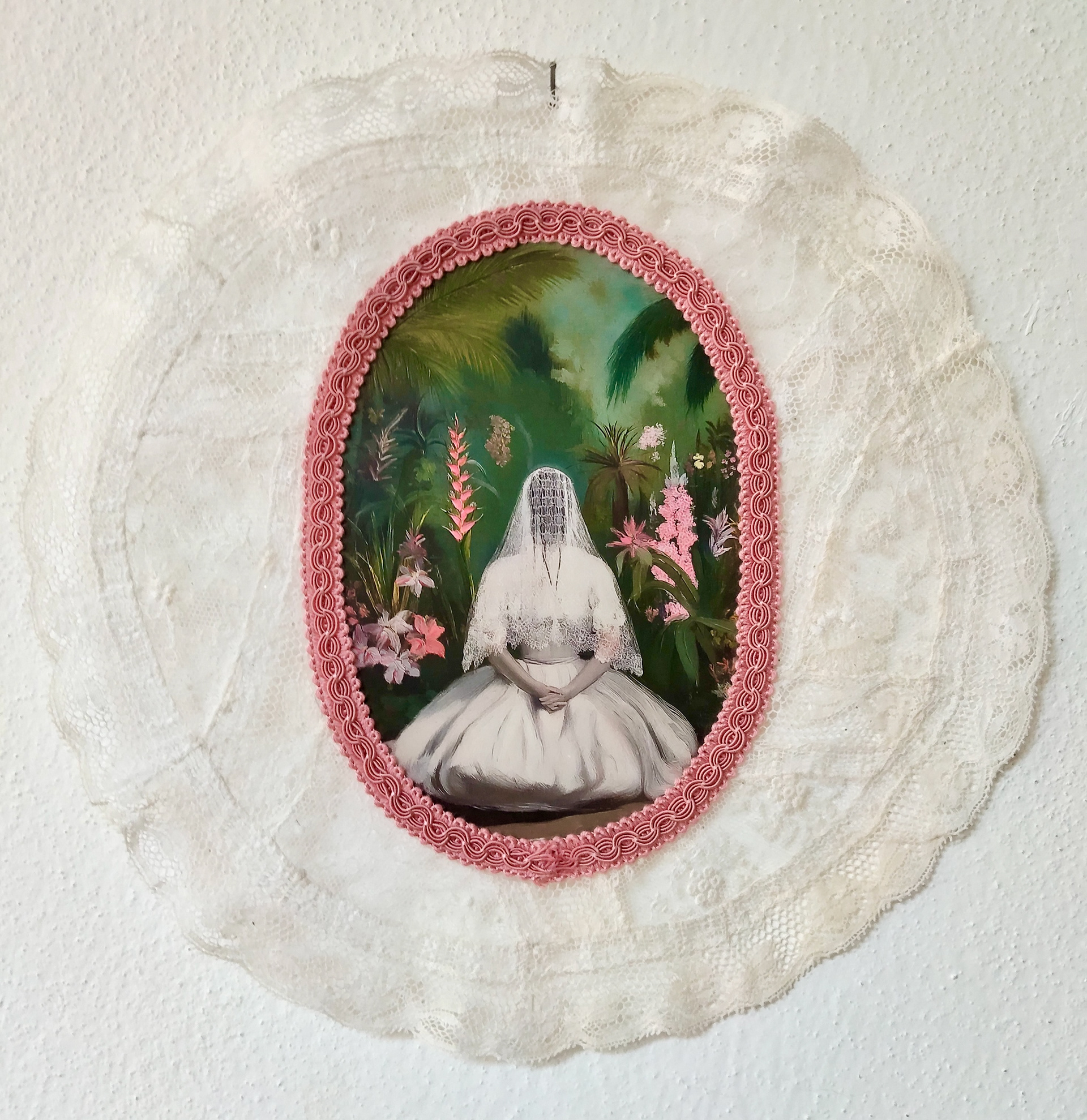
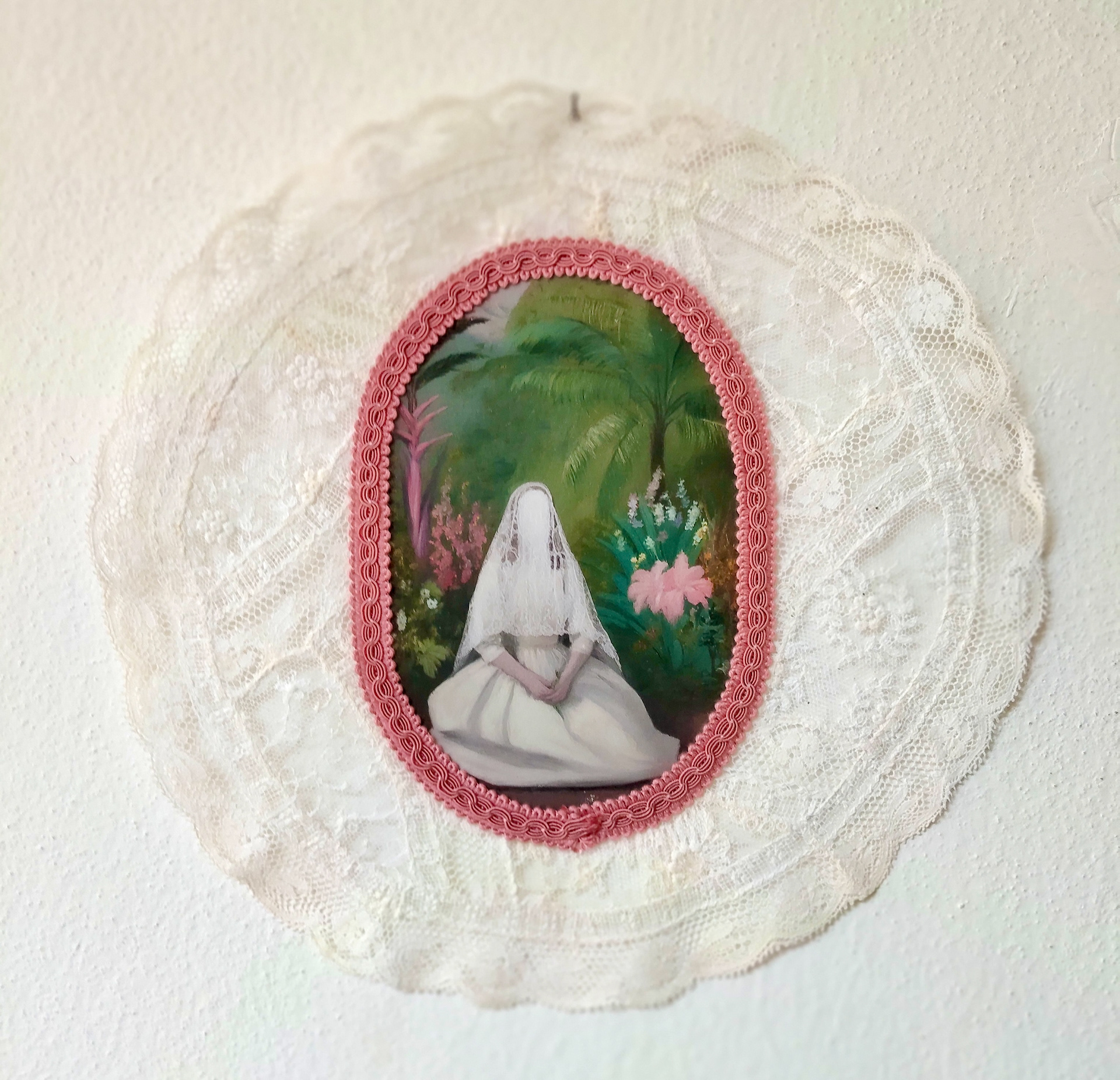
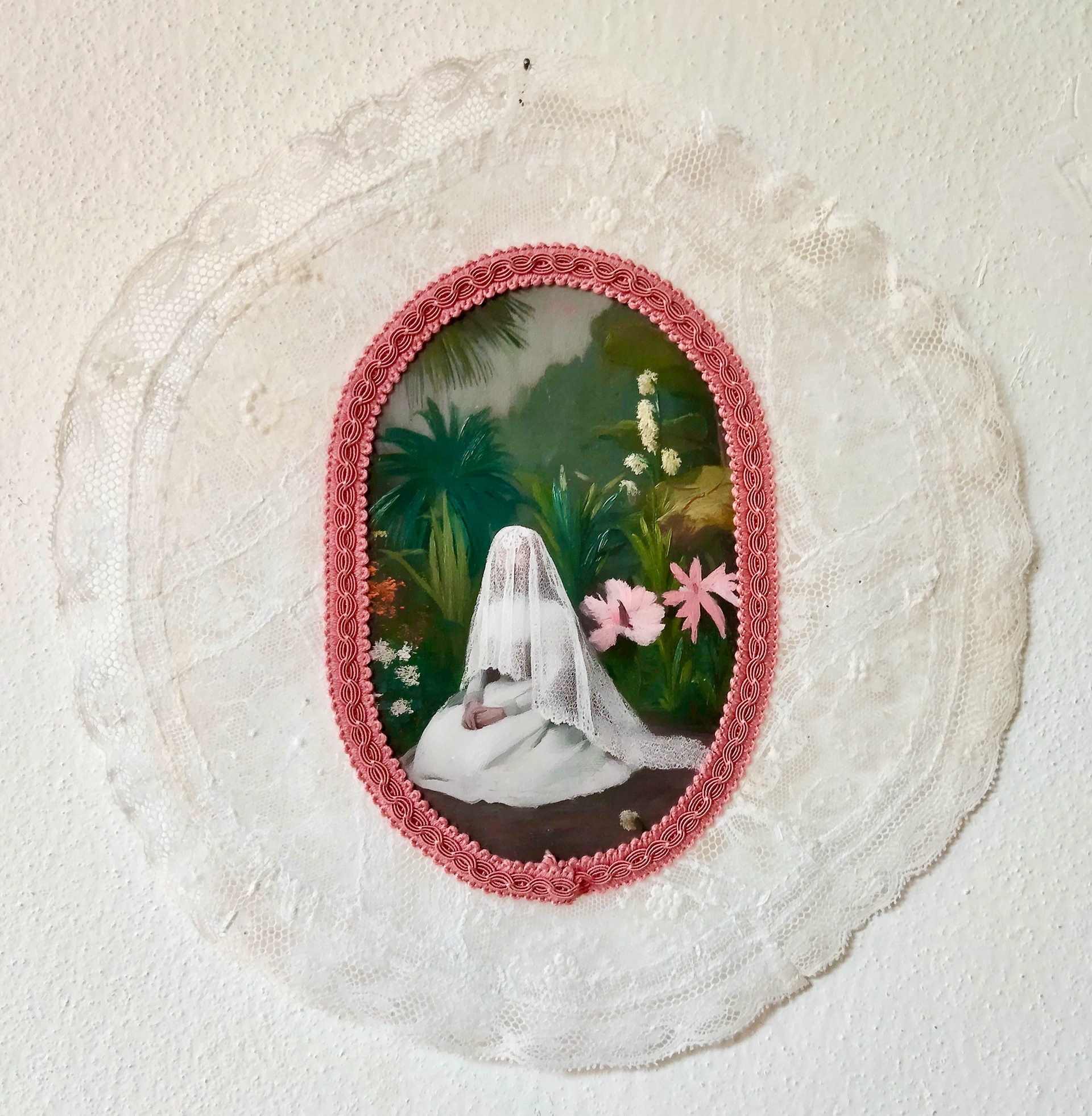
03 Print The generated image becomes a physical object. The digital ceases to be immaterial.
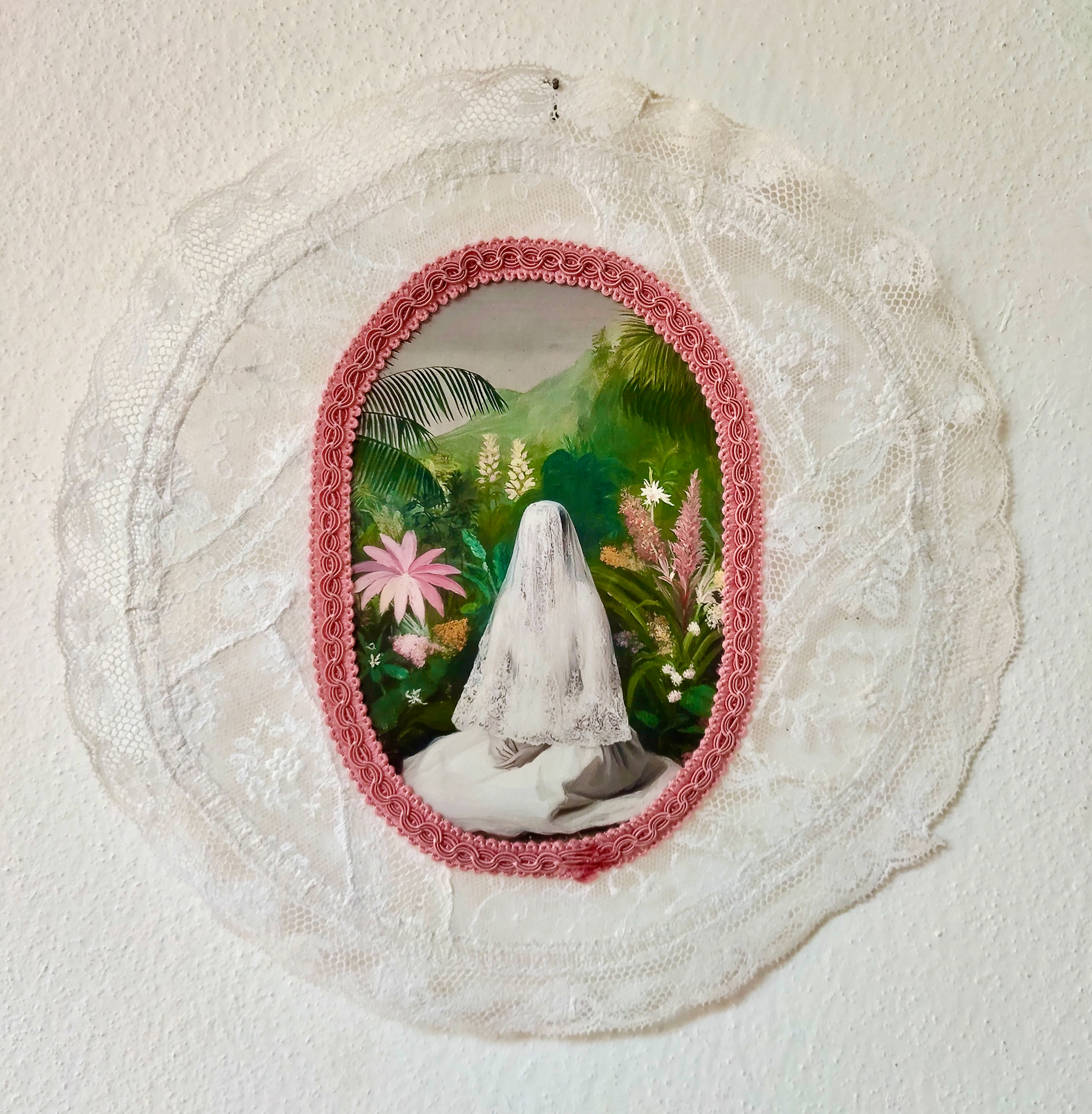
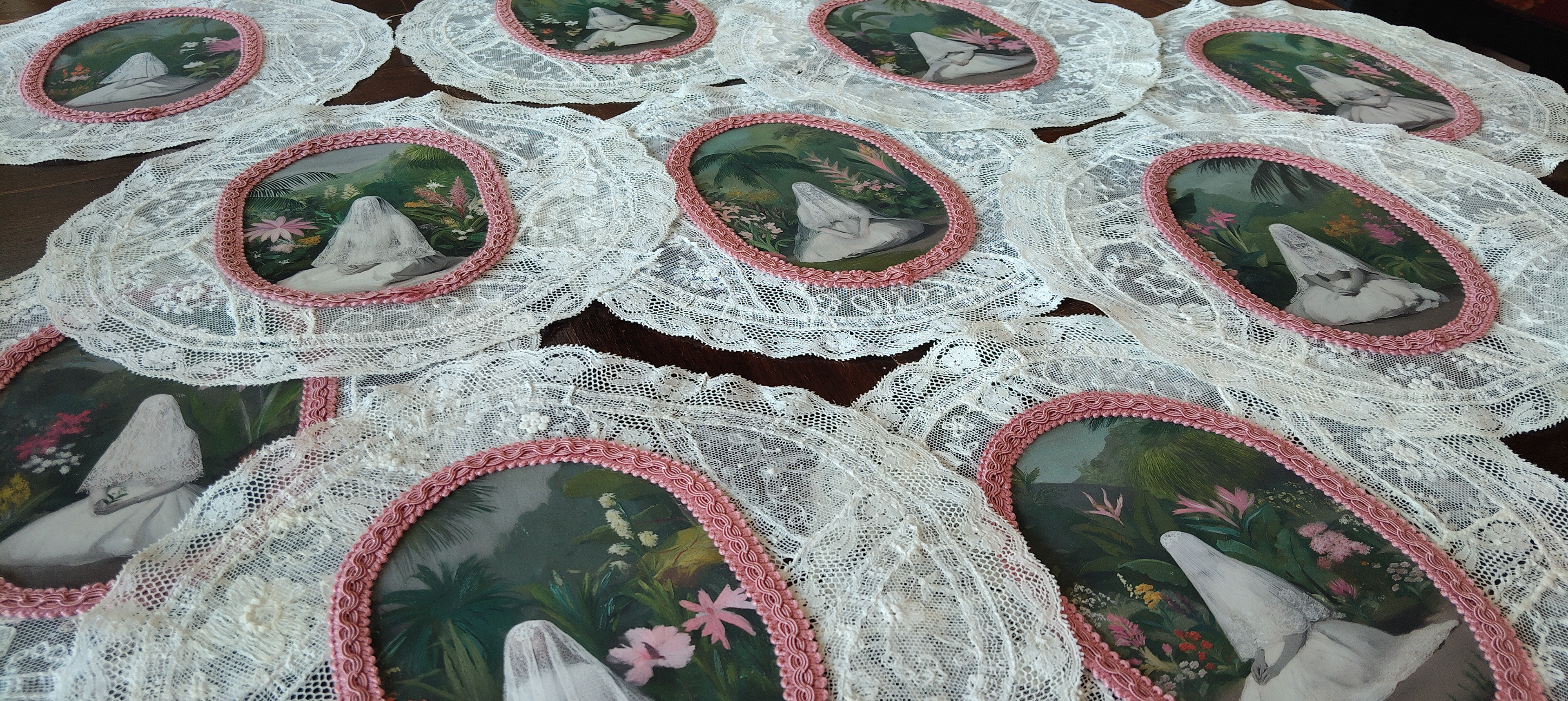
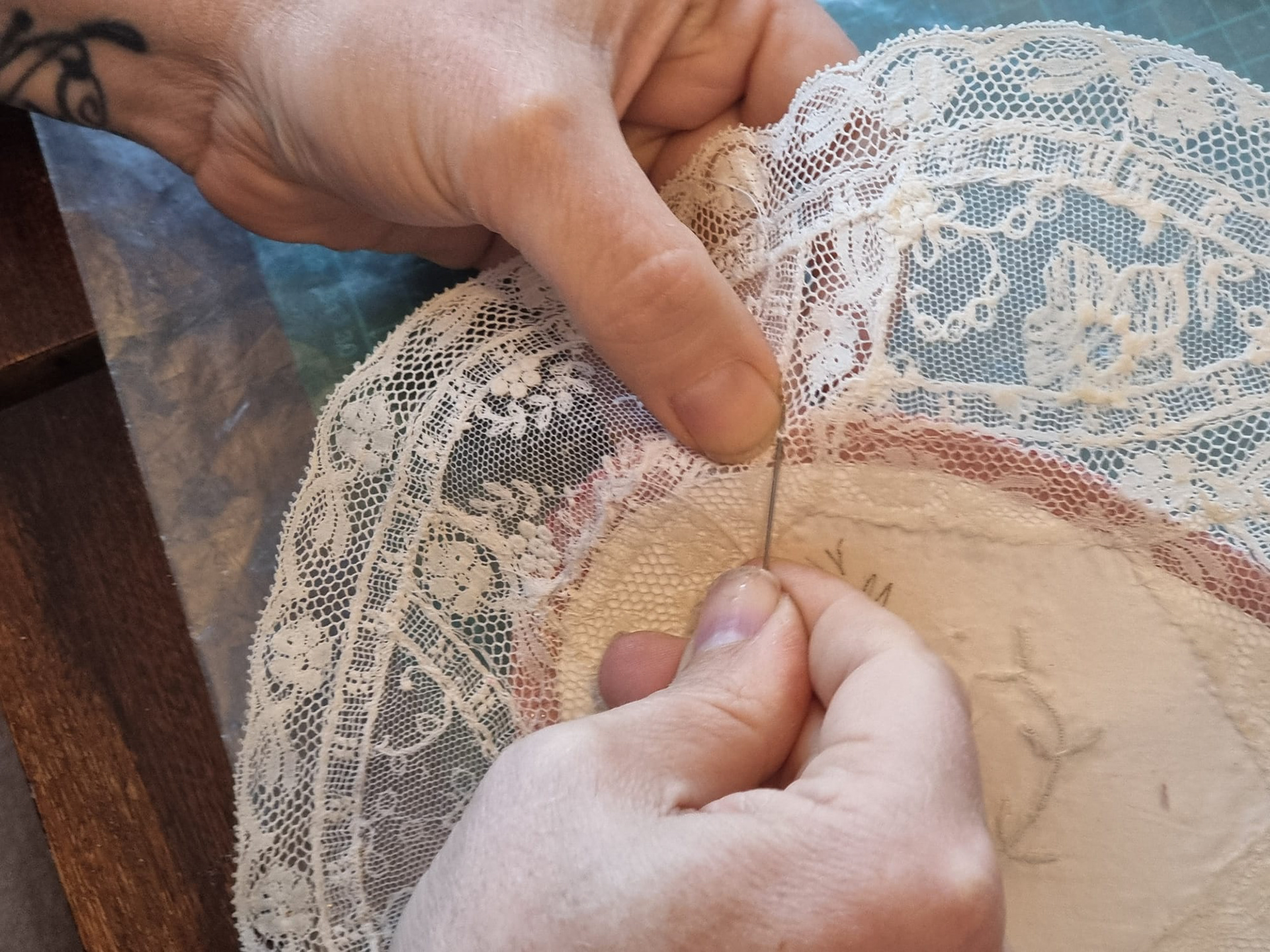
04 Manual Intervention Embroidery, assemblage, found objects. The hand overwrites, adds, disturbs.
The print is only the beginning. The work is born when the hand takes possession of it.
III THE FIVE PRINCIPLES OF AAE
I Uniqueness is Sacred Every AAE work is an unrepeatable original. The algorithm can generate infinite variations, but the manual intervention makes each piece an absolute unicum. There are no editions, there are no copies.
II Technology is a Tool, not an Author Artificial intelligence in AAE plays the role that the brush plays for the painter. It is an instrument of execution, not of decision. Authorship belongs entirely to the artist.
III History is Living Material Renaissance and Baroque iconography is neither quotation nor nostalgia. It is a language that AAE speaks fluently to say new things. The past is not celebrated, it is interrogated, disturbed, traversed.
IV Visual Conflict is Necessary AAE creates deliberate tension between elements: the ancient and the contemporary, the digital and the manual, algorithmic perfection and the imperfection of the human gesture. This tension is not a flaw, it is the very content of the work.
V The Physical Body of the Work is Inviolable An AAE work exists in space. It has weight, texture, depth. The embroidery can be touched, the lace can be felt, the assemblage occupies the wall in three dimensions. The work refuses to be only a screen.
IV CRITICAL POSITIONING
VS Digital and Generative AI Art Generative art stops where the machine stops. The output is the work. AAE treats that output as raw material, the way a sculptor treats a block of marble before the chisel enters it. The difference is not technical. It is philosophical: who holds authority over the final form?
VS Assemblage. Duchamp, Rauschenberg Duchamp removed the hand to question authorship. Rauschenberg reclaimed the hand to question painting. AAE reintroduces both, hand and algorithm, not to question art, but to make it. The gesture is not ironic. It is entirely serious.
VS Computer Art and Generative Art Sol LeWitt said the idea is the machine. AAE says the idea is nothing without the resistance of matter. The embroidery, the lace, the found object are not decoration. They are where meaning becomes physical and time becomes visible.
AAE is not against the machine. It is for the hand that decides what the machine cannot decide.
V STATEMENT OF THE FOUNDER
I have always worked with my hands and my eyes. I learned to look at the Renaissance not as a museum, but as a vocabulary, a system for representing human dignity that has lost none of its power.
When artificial intelligence entered my practice, I did not experience it as a rupture. I experienced it as the arrival of a new tool in a studio already full of tools. The problem was that everyone stopped at the output of the machine. I could not stop there.
Algorithmic Assemblage Expressionism is the name I gave to what I was already doing, and what I now do with full awareness. It is the practice of not letting the algorithm have the last word.
The last word, always, belongs to the hand.
Serge Gualini Founder of AAE Roncofreddo/Brussels, 2026 serge-gualini.art
F O U N D I N G M A N I F E S T O - 2 0 2 6
AAEAlgorithmic
Assemblage
Expressionism
The algorithm generates. The hand decides. Only together do they create something unrepeatable.
I - - O R I G I N O F T H E M O V E M E N T
Algorithmic Assemblage Expressionism was born from a dissatisfaction with two worlds that refuse to acknowledge each other: the world
of digital art, which celebrates the algorithm as an end in itself, and the world of traditional art, which regards technology with suspicion or
condescension.
Serge Gualini, an Italian-Belgian artist whose practice is rooted in Renaissance and Baroque iconography, developed over time a
method that rejects this false opposition. AAE is an act of reconciliation and, at the same time, of transcendence.
Data Painting, the practice of orchestrating AI as a painterly tool, is the generative core from which AAE grows. AAE does not replace it.
It completes it: adding the hand, the body, the physical resistance of matter.
It is not digital art. It is not traditional art. It is something that did not exist before.
I I - - P R O C E S S A S P O E T I C S
01
Historical Imagery
Renaissance, Baroque, European portraiture. Not as quotation, but
as mother tongue.
02
Hybrid Prompt
Ancient lexicon meets contemporary materials. The synthesis is a
creative act, not a technical one.
03
Print
The generated image becomes a physical object. The digital ceases
to be immaterial.
04
Manual Intervention
Embroidery, assemblage, found objects. The hand overwrites, adds,
disturbs.
The print is only the beginning. The work is born when the hand takes possession of it.